







Search Results for: local varieties
Landrace and Heirloom in Ethiopian Coffee Beans: What Exactly Is the Difference Between Native Species and Local Varieties?
When purchasing Ethiopian coffee, the terms "native species" or "heirloom" commonly seen on packaging are already familiar to many, but in the past two to three years, a new term, "landrace," has also begun to appear frequently. What exactly is the difference and connection between the two? This article, from the perspective of Front Street, sorts out the essence of heirloom mixed harvesting, the logic behind the formation of landrace local varieties, and, using the specific case of Front Street Kafa Forest coffee beans, explains the regional story behind variety labeling. At the same time, it will also clarify a common misconception: Kafa Forest and Panama Geisha are completely different things; the former emphasizes the terroir of the origin, rather than a specific variety. [more…]
Heirloom and Landrace on Ethiopian Coffee Labels: How Exactly Do We Distinguish Native Varieties from Landraces?
Friends who frequently buy Ethiopian coffee beans are certainly familiar with the variety label "Heirloom," usually translated into Chinese as "native species" or "heirloom." But in the past two or three years, another term has quietly appeared on the packaging of some Ethiopian beans—"Landrace." What exactly is the relationship between it and Heirloom? Are they different names for the same thing, or two completely different concepts? In this article, Front Street will take a careful look at the origins and evolution of Landrace local varieties, starting from Ethiopia's garden planting system, sorting out the mixed-harvest nature of Heirloom, then moving on to JARC's work in identifying local varieties, and why more and more international green bean merchants have begun to purchase these varieties with distinctive regional characteristics separately. At the end, we also include information on the Kaffa Forest lot currently sold by Front Street for everyone's reference and comparison. [more…]
Ethiopian Heirloom Coffee Beans Explained: Differences from Landrace Varieties and Grading Standards
Ethiopia, as the birthplace of coffee, boasts an astonishing variety of cultivars, with nearly 2,000 varieties recorded to date, of which 1,927 are native varieties. Ethiopian coffee beans commonly found on the market are mostly labeled as Heirloom native varieties, but in recent years Landrace local varieties and numbered varieties have gradually gained popularity. In this article, Front Street Coffee will systematically sort out the definition, classification, and identification challenges of Heirloom native varieties, analyze the origins of Landrace and numbered varieties, and introduce in detail Ethiopia's coffee bean grading standards. Finally, it recommends a number of Front Street selected Ethiopian native varieties, covering well-known products such as Gedeb, Red Cherry, Woka, Aricha, and Huakui 5.0, with roasting and brewing data shared as well. [more…]

An Analysis of Ethiopian Heirloom and Landrace Coffee Varieties: Native Species Characteristics and the Evolution of Their Naming
When you look at the origin information on a bag of Ethiopian coffee beans, the variety field often says "Heirloom." What exactly does this mean? It is actually a collective term for Ethiopia's local heritage varieties, and it is estimated that there are tens of thousands of native coffees in the region that have not yet been formally identified. This article will systematically sort out the differences between Heirloom and Landrace, from the meaning of the terms, classification, and flavor expression to naming trends, and also introduce the meaning of the numbering of JARC-bred varieties. The article also combines several beans from Front Street Coffee to explain the reasons why Ethiopian beans vary in size and why their flavors change from year to year, helping you gain a more comprehensive understanding of the variety diversity of this birthplace of coffee. [more…]
A Complete Analysis of Indonesian Coffee Varieties: Flavor Characteristics and Regional Distribution of Typica, Robusta, Catimor, and More
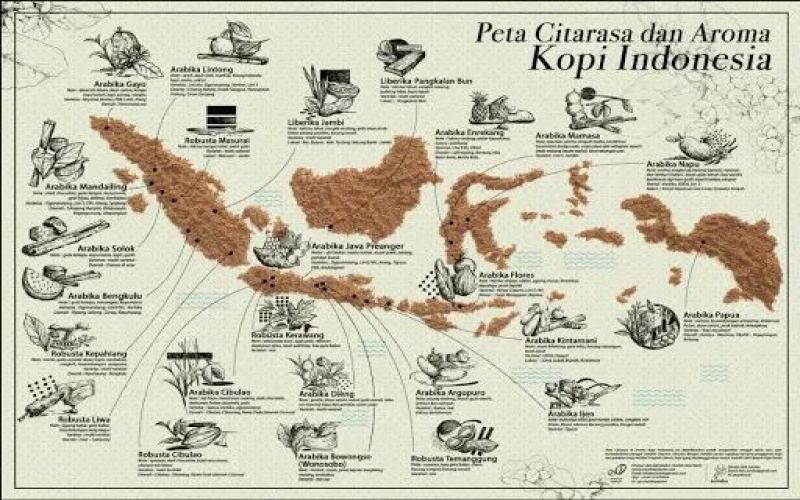
Indonesia is an important coffee-producing region globally, but its complex cultivation history and mixed varieties often confuse coffee enthusiasts. This article systematically sorts out Indonesia's main coffee varieties, including the long-established Typica, the highly disease-resistant Robusta, as well as localized Catimor and Jember, and provides detailed introductions to the flavor characteristics and main producing regions of each variety. At the same time, the article also retains related product recommendations from Front Street Coffee, such as Lintong Mandheling, Golden Mandheling, and West Java Arimani Estate beans, helping readers gain a more comprehensive understanding of the diversity of Indonesian coffee. [more…]
What exactly is Ethiopian heirloom native coffee bean? A full analysis of variety naming and flavor origins
Ethiopia is celebrated as the birthplace of Arabica coffee, and its local coffee varieties are as numerous as the stars. However, due to limitations imposed by history, research conditions, and naming systems, the vast majority of these varieties still cannot be individually identified and named. As a result, a broad and romantic term—heirloom—has become synonymous with these native coffee varieties. Heirloom is not a specific variety, but rather a collective term for the large number of coffees in Ethiopia that have not been clearly classified. This article will guide you through the meaning of heirloom, why it is named this way, how local coffees are named, and the brewing and flavor performance of the Yirgacheffe natural red cherry as an example. [more…]
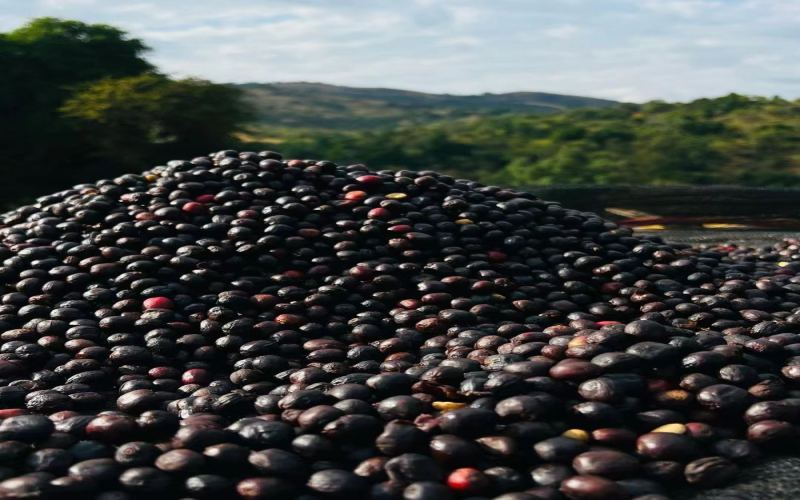
A Complete Analysis of Ethiopian Coffee Varieties: From the Native Heirloom to the Origins of the 74/75 Numerical Lines
As the birthplace of coffee, Ethiopia has a variety system far more complex than we might imagine. What exactly does the commonly seen Heirloom native variety mean on the market? What do the numerical codes such as 74110 and 74158 that have frequently appeared on packaging in recent years represent? This article will sort out the three cultivation models of Ethiopian coffee, trace the historical context of the JARC disease-resistant breeding program in the 1970s, explain the naming logic of the 74/75 series lines, and introduce the progress in identifying and naming Landrace local varieties. At the same time, by combining specific products such as Front Street Coffee's Kafa Forest washed lot and Sidamo Santaverney 74158, it will help readers build a complete understanding of Ethiopia's variety system. [more…]
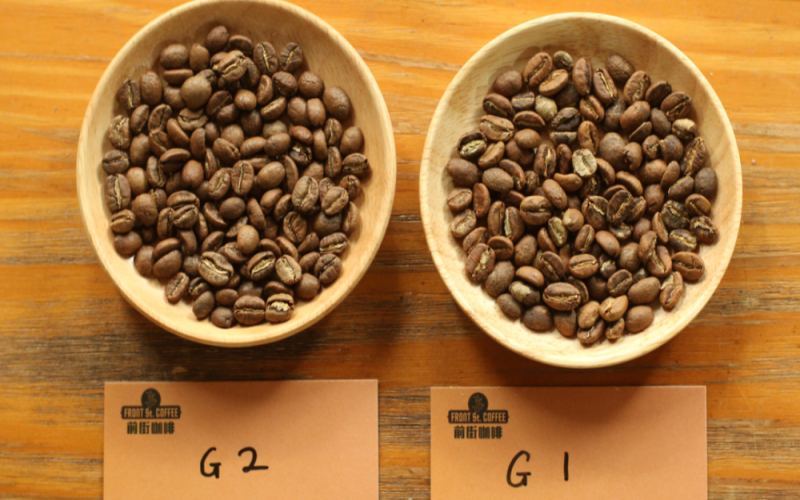
Decoding Yirgacheffe G1 and G2 Coffee Beans: Local Heirloom Grading, Washed and Natural Processing, and Flavor Differences
Ethiopian Yirgacheffe is a dazzling star in specialty coffee, but do you understand the logic behind its G1 and G2 grading? From the perspective of Front Street Coffee, this article takes you deep into Yirgacheffe's variety system and grading standards, and compares how the washed and natural processing methods shape two completely different flavor profiles. Whether you are a coffee enthusiast just starting out or a seasoned taster looking to refine your skills, you will find practical reference information here. [more…]
Yirgacheffe Coffee Beans G1 vs G2 Grades Explained: From Heirloom Varieties to Grading Standards
Yirgacheffe coffee beans often bear labels like G1 and G2—what exactly do these grades mean? From the perspective of Front Street Coffee, this article first introduces the origins of Ethiopia's "heirloom varieties"—the country is home to tens of thousands of incompletely identified heirloom varieties—then explains Yirgacheffe's grading system in detail: grades are determined by defect rates, with washed and natural processing each corresponding to different grade ranges, and explains how ECX and SCAA cupping further subdivide G1 through G3 into Q1, Q2 specialty and commercial grades. The article also outlines the altitude, cooperatives, and micro-region characteristics of the Yirgacheffe producing area, and includes product information for Front Street's Natural Red Cherry, Washed Gudingding, and Washed Everyday Beans, helping readers gain a comprehensive understanding of Yirgacheffe's grading system and flavor diversity. [more…]
Ethiopian Coffee Variety Analysis: Characteristic Differences Between the Native Heirloom Variety and the Numerically Bred Varieties 74158, 74112, and 74110
Ethiopia, as coffee's genetic treasure trove, has a variety system far more complex than one might imagine. The Heirloom native variety label commonly seen on the market is actually a collective term for mixed-harvest varieties, not a single specific variety. The numeric codes such as 74110, 74112, and 74158 that have frequently appeared in recent years originate from JARC's disease-resistant breeding program in the 1970s. This article will systematically sort out the classification of Ethiopian coffee cultivation models, the essential meaning of Heirloom, the origin of the 74-series numeric varieties, and the identification and naming of Landrace local varieties, helping coffee enthusiasts understand the variety information on Ethiopian coffee bags. [more…]
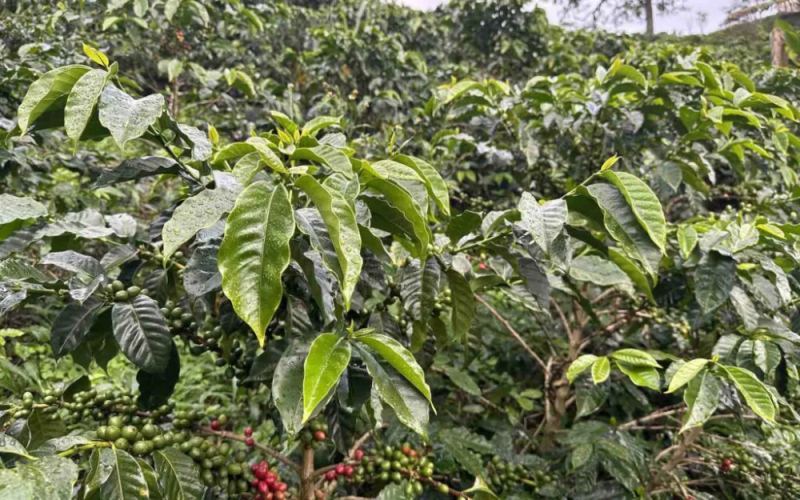
Colombian Ombligon Coffee Variety Explained: A Complete Guide to Finca El Diviso's Ombligon Flavor and Growing Region
On Front Street Coffee's Colombian bean list, there is a coffee with a rather amusing name—Ombligon. What kind of variety is it exactly? Why does it have such a vivid name? Ombligon is a relatively recently introduced Arabica variety that is currently grown only in the Huila region of southwestern Colombia. It gets its name from the protrusion at the bottom of the fruit, which resembles a navel, and it rose to prominence through the World Barista Championship. Genetic research shows that it is related to Ethiopian landraces, while its plant characteristics are similar to Caturra, making it highly favored by local coffee farmers. Front Street Coffee has now also introduced Ombligon coffee beans from Finca La Divisa, using a double anaerobic process, presenting rich flavors such as blackcurrant, grapefruit, berries, and orange. This article will give you a comprehensive understanding of this unique variety's origins, characteristics, and brewing performance. [more…]
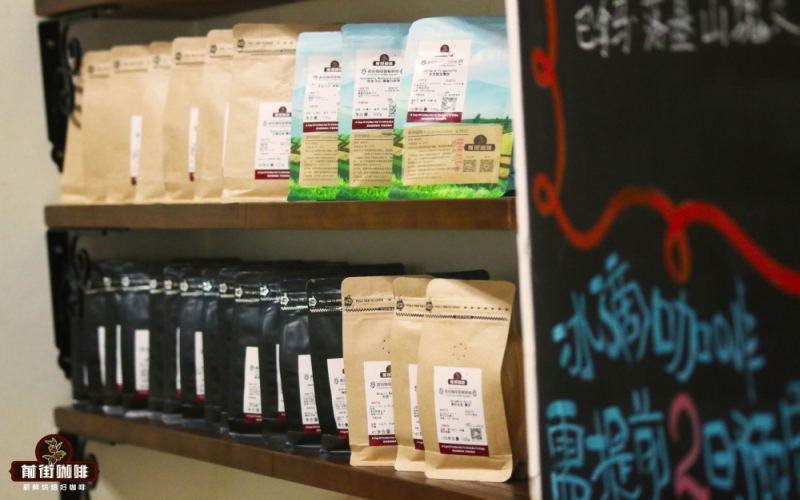
An In-Depth Look at Yirgacheffe Coffee Beans: Origin Story, Variety Characteristics, Processing Methods, and Flavor Differences Fully Explained
Yirgacheffe is the starting point for many coffee lovers stepping into the world of specialty coffee. That bright, citrus-like acidity and delicate white floral aroma are enough to overturn people's conventional understanding of coffee. This article will take you through a comprehensive look at Yirgacheffe's origin story, variety characteristics, and flavor code: from how it became independent from the Sidama region, to the origins of the local native variety HEIRLOOM, and then to the flavor differences brought by the two processing methods, natural and washed. At the same time, drawing on bean list examples from Front Street Coffee, it includes suggested brewing parameters for a medium-light roast Yirgacheffe to help you understand this classic African coffee more systematically. [more…]

A Comprehensive Comparison of Arabica and Robusta Coffee Beans: Variety Characteristics, Flavor Differences, and Representative Producing Regions
What exactly are the essential differences between the two main varieties of coffee beans—Arabica and Robusta? Why is the former more highly regarded in the specialty coffee world? From the perspective of Front Street, this article systematically sorts out the differences between the two in caffeine content, appearance characteristics, flavor performance, growing conditions, and cost, and provides an in-depth introduction to representative Arabica varieties such as Typica, Geisha, and Ethiopian heirloom varieties, helping you fully understand the variety and terroir logic behind coffee flavor. [more…]
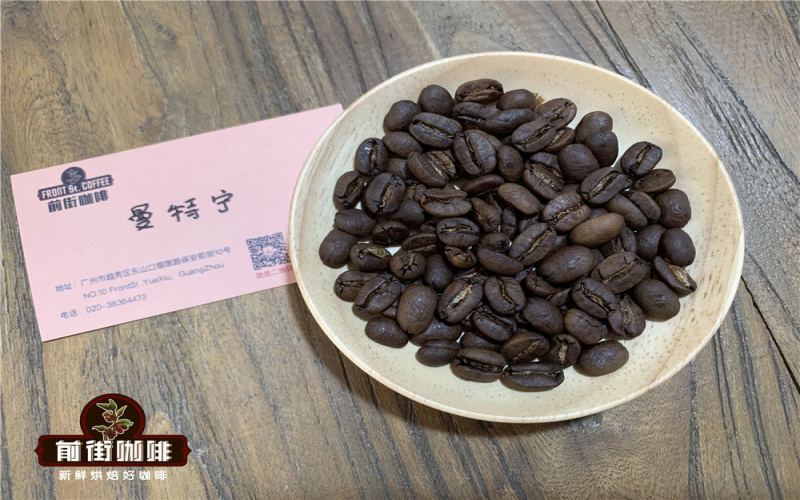
A Comprehensive Analysis of the Origins, Geographic Distribution, Variety Evolution, and Wet-Hulling Process of Indonesian Mandheling Coffee Beans
Indonesian coffee is best known to the world as Mandheling, the iconic representative of Asian Arabica coffee, with a complex flavor profile of pine, herbs, nuts, and caramel, and a thick, full body. Behind the name Mandheling lies an amusing story from World War II, while its place of origin, the island of Sumatra, is home to two core growing regions: Lake Toba and Lake Tawar. From the Typica introduced during the Dutch colonial period to the Catimor and Tim Tim planted in response to leaf rust, the varieties of Indonesian coffee have undergone repeated changes. The locally invented wet-hulling method gives Mandheling its distinctive character of low acidity and high body. Front Street Coffee's Lintong Mandheling and Golden Mandheling meet the needs of different coffee lovers with high value for money and fine selection, respectively. This article will systematically sort out the historical thread, regional characteristics, variety evolution, and processing techniques of Indonesian coffee. [more…]
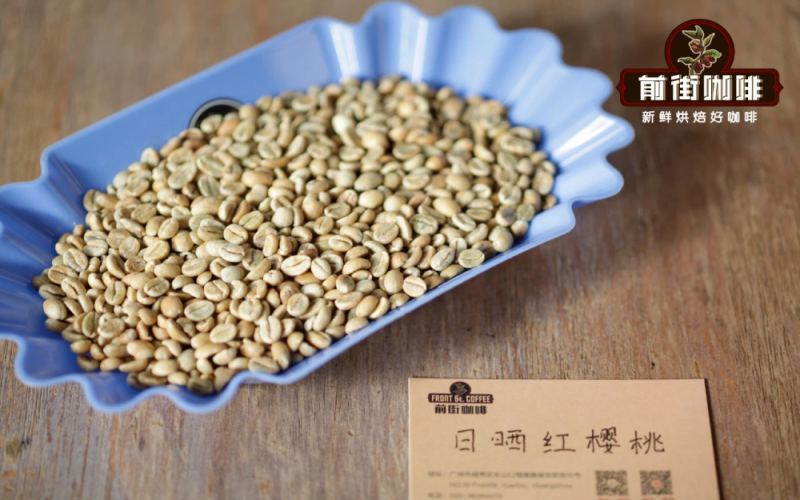
Yirgacheffe Coffee Bean Flavor Analysis: A Complete Guide to Acidity and Bitterness, Variety Grades, Origin Characteristics, and Brewing Parameters
Yirgacheffe is Ethiopia's most iconic specialty coffee region, renowned for its white floral notes and lemon-citrus acidity. This article explores the acidity and bitterness profile of Yirgacheffe coffee beans, variety classification, regional history, processing method differences, and brewing parameters, answering the question of how its small bean size relates to local heirloom varieties, sorting out the flavor differences brought by washed and natural processing, and introducing representative products such as Front Street Coffee Gutingding and Front Street Coffee Red Cherry, helping coffee enthusiasts gain a comprehensive understanding of this region's unique charm. [more…]
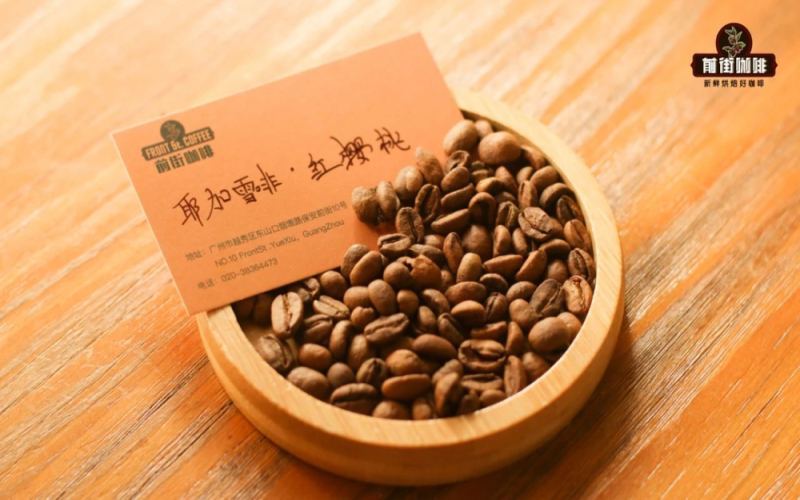
Ethiopian Coffee Bean Label Guide: Differences Between Heirloom, Landrace, and Regional Varieties, and G1 Bean Recommendations
When selecting Ethiopian coffee, the variety labels on the packaging often leave people confused: Heirloom is translated as "native species" or "heirloom," and in recent years the term Landrace (local variety) has also appeared. What exactly do these names refer to? What is the relationship between them? This article will start from the garden farming model of Ethiopian coffee, clarify the concept of Heirloom as a mixed lot, explain how Landrace is selected, identified, and harvested separately from the field, and also recommend Front Street Coffee's Kaffa Forest G1 washed beans, as well as its difference from Panama Geisha. [more…]

Yunnan Small Bean Coffee Roasting and Flavor Analysis: Acidity and Bitterness Differences Between Catimor and Typica and Regional Characteristics
Yunnan small-bean coffee is primarily cultivated with Catimor, and its deep historical ties with Typica have profoundly shaped the flavor trajectory of local coffee. Starting from the characteristics of the varieties, this article sorts through the differences between Typica and Catimor, the essential distinction between Arabica and Robusta, and introduces the terroir of Yunnan's major producing regions. The article also combines Front Street Coffee's practice at its own estate in Lincang to analyze the acidity and bitterness of Yunnan coffee and the appropriate roasting level, helping readers understand the development and potential of Yunnan beans on the path toward specialty coffee. [more…]
What's the difference between Arabica and Robusta? Analyzing why the former is more popular, from caffeine and appearance to varieties.
In the world of coffee, Arabica and Robusta are the two most common bean varieties on the market. The former is a small-seeded species, while the latter is a medium-seeded species, and the two differ noticeably in caffeine content, flavor profile, growing conditions, and appearance. Arabica has lower caffeine and higher sugar content, with a sweeter, softer flavor and fruity acidity; Robusta, on the other hand, has higher caffeine, chlorogenic acid, and amino acid levels, giving it a richer, deeper, low-toned mouthfeel. Why is Arabica more favored? Front Street Coffee will guide you through a systematic understanding of the differences between these two types of coffee beans from the perspectives of composition, appearance, flavor, plant, and representative varieties, and share the classic flavors of the Arabica family, including Typica, Geisha, and Ethiopian heirloom varieties. [more…]

Indonesian Mandheling Coffee Bean Variety Analysis: Arabica or Robusta? Flavor Description and Wet-Hulling Processing Method Introduction
Mandheling is one of Indonesia's most iconic coffees, yet many people are unclear about whether it belongs to Arabica or Robusta. In fact, as Asia's largest coffee-producing country, Indonesia is dominated by commercial-grade Robusta, while the finest Arabica Mandheling comes from northern Sumatra and accounts for less than one-tenth of total production. From the introduction of coffee trees by Dutch colonists in the late 17th century, to the leaf rust disease that destroyed Typica and Bourbon in the 19th century, and then to the integration of disease-resistant varieties such as Tim Tim and Catimor into the local terroir, Sumatra gradually developed its unique herbal-spice flavor profile. Combined with the regionally adapted wet-hulling method, Mandheling displays a full, rich body with a solid mouthfeel interwoven with dark chocolate and nutty notes. This article will review Mandheling's varietal origins, processing techniques, and grading standards, and share Front Street Coffee's cupping performance and brewing suggestions. [more…]
Under the double assault of climate stress and disease, Indonesia's coffee production is declining—can the Komasti resistant variety break through?
In recent years, Indonesia's coffee industry has faced severe challenges under the dual pressures of climate change and farm pests and diseases. The USDA Foreign Agricultural Service predicts that Indonesia's coffee exports will decline by 32% year-on-year in 2023/24. Previously, excessive rainfall disrupted coffee fruit development, leading to a sharp reduction in yield; now, high temperatures and drought are accelerating the spread of pests and diseases, restricting tree growth and further causing coffee supply shortages. Faced with this situation, the Indonesian Coffee and Cocoa Research Institute (ICCRI) continues to seek solutions through agricultural research, including the introduction of the disease-resistant and high-yielding Komasti Arabica variety. In 2022, ICCRI partnered with the World Coffee Research Institute to establish a demonstration plot in West Java to showcase the variety's performance to local farmers. Front Street Coffee is paying attention to this important development in Indonesia's coffee industry, and this article will review the research and development background, current promotion status, and future potential of the Komasti variety. [more…]